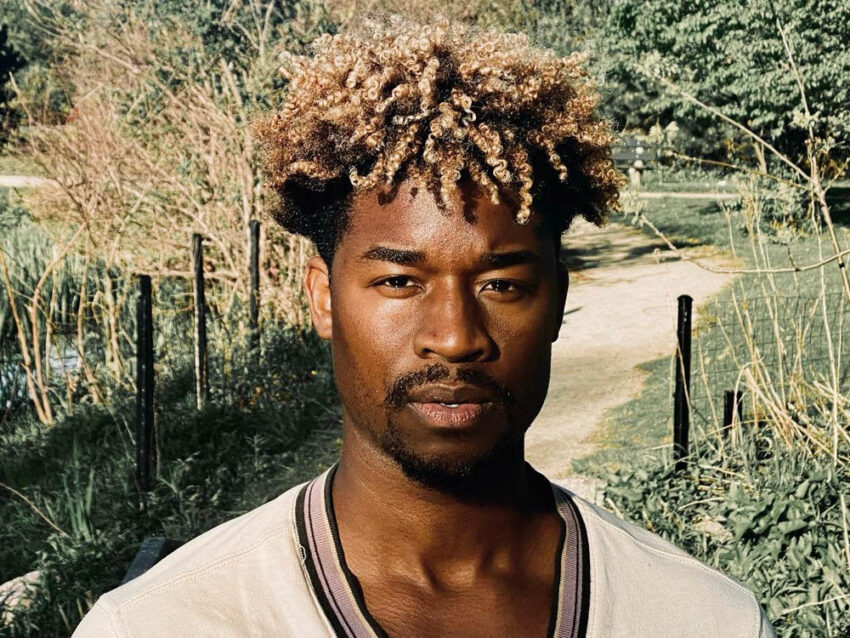
Interview conducted by Kilian Melloy
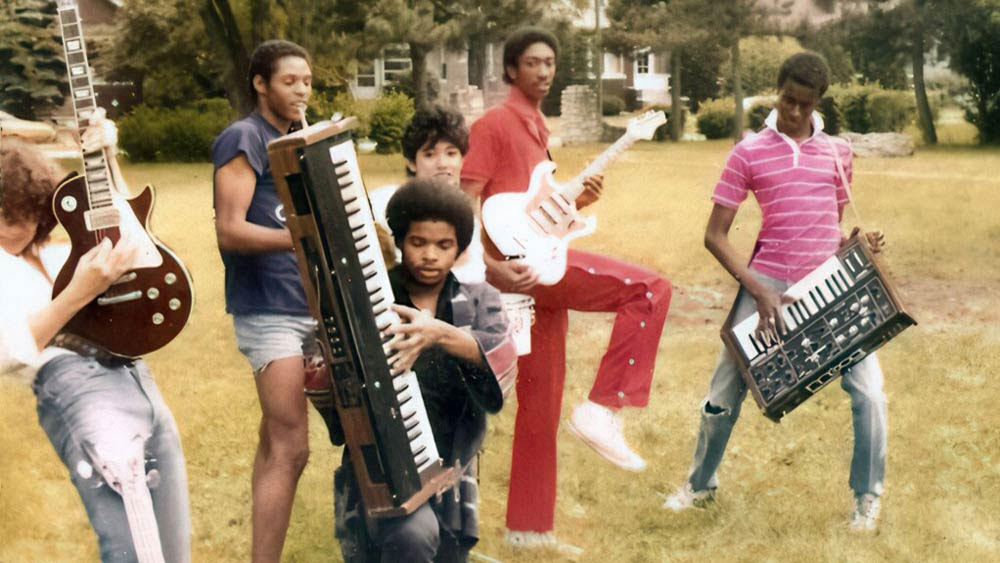
The Theater Offensive and The Coolidge Corner Theatre have entered into a partnership in which the two arts organizations collaborate four times yearly on a new film series called Queering the Screen, the first edition of which took place recently and centered around a screening of Elegance Bratton’s documentary Move Ya Body: The Birth of House, a film that looks back on how one young man responded to the pushback against disco by forging a fresh new path on the music scene.
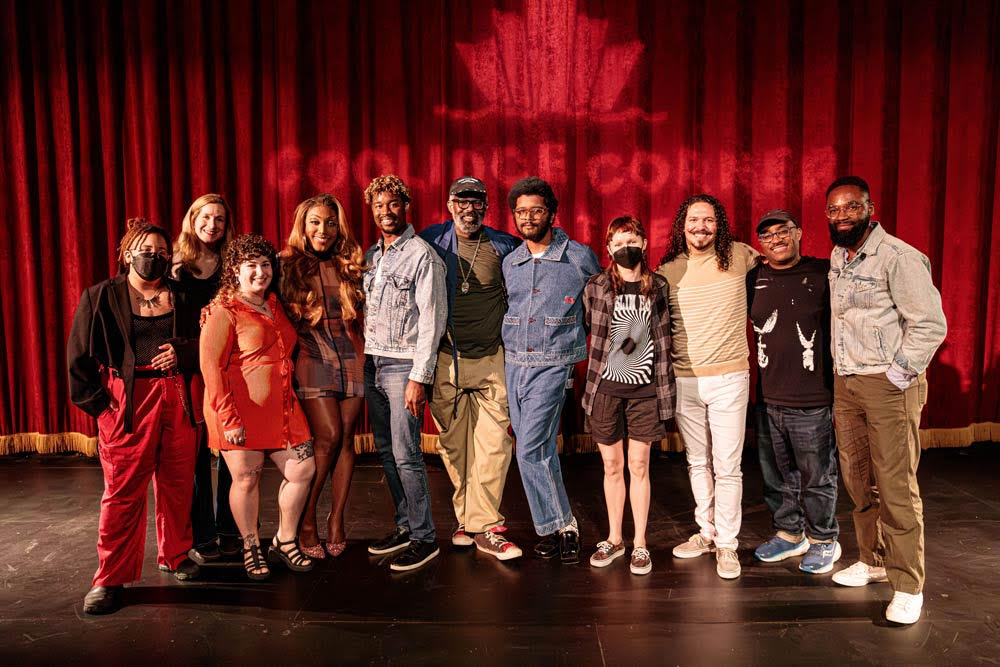
The Theater Offensive has long showcased LGBTQ+ art. “We have a foundation in theater and drag,” notes TTO’s Chief of Strategy, Joseph V. Porter, who moderated the film screening, which took place May 28. “We started in the ’80s, using drag and theater as a vehicle for storytelling to talk through the AIDS epidemic, but we’ve never been a traditional theater. We continue to do stage plays, musicals, et cetera, but we’re looking at more multidisciplinary works.
“Film just feels like the next natural step,” Porter adds, “because we’ve elevated all of our visual assets connected to promoting our shows, and so it’s only right that we lean in a little bit more, because we have all these beautiful videos, but we’re doing different disciplines in every direction. This most recent residency last year we had a dance artist for the first time in a very long time and did a four-day spectacle called In the Space Between that’s one of the most beautiful dance productions I’ve ever seen. So, it’s not just film that we’re leaning into. We’re taking the guard rails off and being open to different artistic expressions.”
The next Queering the Screen event will take place in August 2026. Meantime, TTO has a world premiere production of Lady Dane Figueroa Edidi’s play Smoke lined up for June 26-28 at the Suffolk Modern.
Porter opened up about his personal involvement with Bratton’s documentary, his vision for the future of Queering the Screen, and the importance of art as a form of advocacy in a time of escalating marginalization.
Theater Mirror (TM): The Queering the Screen series is a partnership between The Theater Offensive and Coolidge Corner Theater. What is the genesis of that partnership? Why is TTO going into the film realm now?
Joseph V. Porter (JVP): Queering the Screen is a part of Coolidge Corners signature programming, so they’ve been doing this before our partnership. We partnered with them on the Breakthrough Artists Award for Elegance Bratton, which was an Inaugural Award for them. They realized they needed to have a partner who’s all about queer and trans artists on the daily.
TM: The movie you’ll be screening, Move Ya Body: The Birth of House seems like it’s a documentary, but maybe also a feature — a hybrid between the two.
JVP: They shot some re-imaginings of what the club scene was then, versus leaning on archival footage — but they do also have archival footage. That’s what I love about Elegance: He blurs the line when it comes to creativity. I love his work.
TM: Elegance Bratton is going to be there for the post-show discussion, and you’ll be moderating, so I wonder what you expect to come up in terms of the conversation with the audience and with the filmmakers.
JVP: A little nugget for you is that I’m also in the documentary. I’m one of the dancers doing one of the reimagined scenes. [In the talkback] I’m going to highlight some of his intention as a director, and the way that they told the story, and how he honored the community, and what community partnerships look like, and what it means to be a storyteller rooted in ethics and values. I also want to use this as an opportunity for the community to have access to Elegance and be able to ask questions. I have a few questions around the production, around the history, around the development, and what’s next for him, because he’s just finished another project. He’s always got something cooking up, which is beautiful to see. And we’ll lean into the community to let them speak to him, as well.
TM: What is your view of what a moderator does and how a moderator functions?
JVP: I think a moderator is there to uplift the work and pull out key themes that the audience may miss. I think also guiding the conversation and making sure that the filmmaker is honored and uplifted and we’re able to speak to their work and get some history and background is important. And then, just inviting curiosity and inviting people to have deeper relationships with the organization and the artists. I’m moderating this one because I have a personal connection to it. I grew up in Chicago; I worked on the film with them. In the future I’d love to invite different community voices [to moderate], depending on what the subject matter is. I think it’s important for the themes and the person moderating the conversation to be reflective of whatever the subject matter is.
TM: Is there a particular kind of queer storytelling that you’re looking to emphasize?
JVP: I’ve been starting based on our artistic themes, things that are reflected in productions, because theater was our origin. I think that as this partnership grows, there’s so much opportunity. I’m getting to do such cool research to figure out who’s telling stories that are connected to what our mission and values are, which allows there to be a very wide net.
TM: It’s very cool to see the spotlight being shined so much on queer film, especially independent productions.
JVP: I think so too, and it allows us to talk about what it means for it to be queer cinema. One of the pending titles for August is Midnight in the Garden of Good and the Evil, which is not necessarily a queer film, but it features Lady Chablis, who was an openly trans woman, and she’s playing herself. That was revolutionary at the time, that you invite a trans woman to come on screen and you give her the spotlight. So, it’s not a traditionally queer or trans film, but this is something that honors our community. That becomes the thing for the talkback: What is the conversation of identity? What is visibility? What does allyship mean in a moment like this, especially in this climate?
TM: It feels very important to keep the conversation going about LGBTQ+ issues, especially now that we see the attacks happening on our community. Is that part of the impetus for this partnership and for the programming?
JVP: Absolutely. That’s where the birth of the documentary was. I wrote an essay called Bitterness, Chaos, and Rage right when Trump was inaugurated, because most of our community was immediately moved to action, which we see a lot in communities of people of color, where we don’t get to sit with our emotions and say “I’m really upset with this thing.” It’s, “Okay, now I gotta fix it!” I’m trying to invite our community into what it looks to advocate for ourselves and liberation, and also for queer and trans folks. There are so many representations of what it looks like to be queer or trans, and that vastness of identity is something that’s very important to me. Our mission is about dismantling oppression, and I don’t want to be in one of several boxes. I don’t care if you introduce another three boxes; there are 300 or 3,000 that I could still check if I wanted to, and I want our community to feel that same freedom in terms of their identity expression. I feel like it’s my role and my responsibility to invite people to feel as liberated as possible, especially through art, because we know that art has that possibility.
TM: You’ve only got four Queering the Screen events happening a year at this point, but what would your ideal target be?
JVP: I would love to do every other month, but a 30-minute talkback is not really enough. I would love to have it where we do the screening, we have the talkback, and the next month we invite that same group back to discuss things a little bit more deeply once they’ve actually been able to sit with it and perhaps watch it again. That’s my ultimate goal.
This interview has been condensed and edited for clarity, flow, and length.